Vitamin K is one of those newborn decisions you might not think much about until someone asks whether you want your baby to receive it. You want to understand why it’s recommended and what your options are, ideally before you’re recovering from birth.
- Why newborns receive vitamin K
- Oral vitamin K is part of routine newborn care in some countries
- What do the numbers tell us?
- What matters when choosing the drops or the shot
- Does circumcision change the vitamin K conversation?
- My experience giving vitamin K drops
- What I’d suggest discussing before birth
- More to Read Before Your Baby Arrives
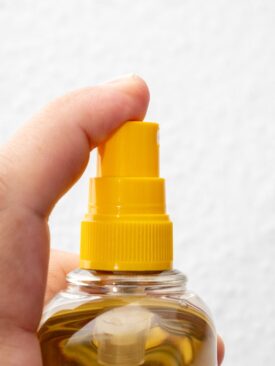
I chose oral vitamin K drops instead of the shot for my third baby. I used Dr. Green Mom’s Vitamin K drops, and I felt good about that choice. I preferred the ingredient list in the drops, and that was what drew me to them.
But what I didn’t expect was that administering the drops was more involved than I thought it would be, especially when it came to remembering each dose and knowing whether my baby had actually swallowed the full amount. So, that was a bit stressful.
If you’re looking into oral vitamin K, I want to share that experience alongside some context about the research and how it’s used in other countries. There’s more to this conversation than you might get from a quick discussion after delivery.
Skip the Research… It's Already Been Done
12+ years of label-reading, testing, and returns — these products earned their place on my Amazon store.
Shop My Amazon PicksAs always, I’m not a medical professional, and this isn’t medical advice. Talk with your baby’s healthcare provider before making decisions about vitamin K.
Why newborns receive vitamin K
Babies are born with small stores of vitamin K, which helps their blood clot. Only a limited amount passes through the placenta, and breast milk naturally contains little vitamin K. That doesn’t mean there’s anything wrong with your milk.
Vitamin K is given after birth to help prevent vitamin K deficiency bleeding, or VKDB. This is uncommon, but it can be serious, including bleeding inside the brain. It can happen in the first days after birth or later in infancy, and there may not be obvious warning signs beforehand.
Newborns naturally have low vitamin K levels, but that doesn’t remove the risk of deficiency bleeding. Personally, I would not skip vitamin K.
Oral vitamin K is part of routine newborn care in some countries
If you’ve been researching whether to give your baby vitamin K, you may have noticed that the shot is standard in the United States, while some other countries use oral vitamin K as part of their routine newborn care.
Switzerland, for example, recommends three oral doses of a specific vitamin K preparation. Its national surveillance program describes that schedule as the official Swiss recommendation.
There’s research behind that approach. A six-year Swiss study covering more than 458,000 births found four cases of late vitamin K deficiency bleeding. All four involved an undiagnosed condition affecting bile flow, along with either declined vitamin K or a missed final dose. The researchers concluded that the three-dose oral protocol provided adequate protection. It was a surveillance study, though, rather than a direct trial comparing drops with the shot.
Japan also uses oral vitamin K2 syrup, with repeated dosing through early infancy.
Oral vitamin K has an established place in newborn care. I think that deserves to be acknowledged when you’re trying to understand your options.
The specific protocol matters, though. The Netherlands uses oral vitamin K, but its Health Council has recommended changing its approach because the existing regimen doesn’t adequately protect some babies. It favors an injection, with specific alternative oral schedules considered when implementing injections isn’t feasible.
What do the numbers tell us?
I find actual numbers more helpful than simply hearing that something is “rare.”
In its February 2025 review, Evidence Based Birth summarizes these reported rates of late vitamin K deficiency bleeding:
| Approach studied | Reported late VKDB cases per 100,000 births |
|---|---|
| No vitamin K at birth, in European data | 4.4–7.2 |
| Certain repeated oral vitamin K₁ protocols used in Germany, Switzerland, and Denmark | 0–0.9 |
| Programs using the vitamin K shot | 0–0.4 |
The oral protocols in that comparison used either three 2 mg doses or an initial 2 mg dose followed by weekly 1 mg doses for three months. (These are descriptions of studied protocols, not instructions for dosing your baby.)
These figures come from different populations and time periods, not one head-to-head trial. Some reflect national programs that included missed or declined doses. They describe late bleeding specifically, and zero observed cases doesn’t mean zero possible risk.
For me, these numbers add useful perspective: established oral protocols have achieved very low bleeding rates, while the shot has the more consistently protective record.
What matters when choosing the drops or the shot
Oral vitamin K isn’t one single protocol. There are different formulations, amounts, and dosing schedules, and recommendations vary by country. That can make it confusing when you’re trying to understand which approach applies to your baby.
Research supporting one medical preparation and schedule doesn’t automatically mean that a different product will offer the same protection. That can be frustrating if you’re considering drops for your baby.
Oral vitamin K also depends on your baby absorbing it and receiving the full course. On the other hand, the shot provides protection with one dose and avoids the need for repeated oral doses. And it remains the recommended approach in the United States because of its dependable protection, including against late vitamin K deficiency bleeding.
Does circumcision change the vitamin K conversation?
If you’re planning to have your baby circumcised, vitamin K deserves a specific conversation with the clinician performing the procedure. Circumcision creates a wound, so your baby’s ability to clot matters. In a historical study cited by the AAP, post-circumcision bleeding was about six times more common in babies who hadn’t received vitamin K.
Want to Save This Post?
That’s an additional reason to discuss protection, but vitamin K is also recommended for girls and for boys who won’t be circumcised. Vitamin K deficiency bleeding can happen internally without an injury or procedure.
You may also have heard that babies begin making their own vitamin K on day eight. Vitamin K–producing bacteria become established as the gut develops, but there isn’t a dependable day-eight check or milestone that tells you your baby has enough.
In fact, late vitamin K deficiency bleeding happens most often between two and eight weeks of age, well after that first week. Waiting until day eight for circumcision doesn’t by itself establish that a baby is protected.
If you’re considering oral vitamin K and circumcision, discuss both together before scheduling the procedure. You might have trouble finding a physician to do the procedure without the injection. The clinician needs to know exactly what your baby has received and when, and explain what protection they require before proceeding.
My experience giving vitamin K drops
I used Dr. Green Mom’s oral vitamin K drops for my baby and a 12-week dosing routine. I packed them right in my hospital bag because the first dose is given right after birth. The hospital pediatrician on staff had no issues with us going with the oral drops, so I was pretty relieved to not get any pushback.
The hardest part was remembering each dose
I put the doses on my calendar and set reminders. But with a newborn and two big kids, I still had a couple of moments when I lost track and didn’t remember until the next day.
Following a schedule sounds straightforward before you have a newborn. Then you’re feeding around the clock, recovering from delivery, and trying to remember whether you’ve eaten anything in the last 12 hours. Something that seemed easy to keep track of can become one more thing you’re trying to hold in your head.
If that happens to you, contact your baby’s healthcare provider promptly for instructions. A missed dose deserves follow-up; simply moving on to the next one shouldn’t be assumed to provide the same protection.
Giving the drops was a little hard too
Sometimes my baby squirmed, some of the liquid didn’t make it into her mouth, or she spit up afterward. Then I’d be left wondering how much she had actually received.
Dosing and administering the drops are such an important piece of this puzzle.
Those are the details I wish I’d thought through beforehand. Choosing an oral protocol also means understanding how to handle the days when giving it doesn’t go smoothly.
What about putting the drops in a bottle?
I tried adding the drops to a bottle, and that felt easier for me. It took some of the struggle out of getting them into my baby’s mouth.
But I wouldn’t pass that along as a universal tip. You need to check with your baby’s clinician or pharmacist about whether the specific vitamin K preparation can be mixed with milk and how to make sure the entire dose is taken. If your baby doesn’t finish the bottle, you may still be unsure how much they received.
The same goes for spit-up. If your baby spits up right after receiving the drops, you’ll want to get specific instructions for your particular vitamin K product and protocol rather than assuming every spit-up requires another dose (or that the dose was fully absorbed).
What I’d suggest discussing before birth
If vitamin K is something you want to research, I would bring it up with your doctor during pregnancy as part of your birth plan discussion. Once you’ve chosen your baby’s pediatrician, ask about their recommendations. Having those conversations ahead of time gives you room to ask follow-up questions and understand the doctor’s recommendations.
Ask your baby’s healthcare provider to explain the benefits and limitations of each approach, including your specific concerns about the shot. If you’re considering oral vitamin K, ask whether they can recommend a dosage protocol.
If you have an oral plan, get it in writing. And save a photo of it on your phone (trust me on that). It should cover the product, amount, timing, duration, and what to do if a dose is missed, spilled, or spit up.
For remembering doses, a phone reminder and a shared log can make the routine easier to manage. Record a dose immediately after giving it, especially if someone else is helping. That won’t address absorption concerns, but it can help prevent the “Did I give it, did you give it, or did I only think about giving it?” moments.
I’m glad I chose the oral vitamin K route and will probably choose it again, but I can’t say that there weren’t challenges involved.
What questions about newborn vitamin K do you wish someone had answered more clearly? Share them in the comments.

More to Read Before Your Baby Arrives
- What to Know About Delayed Cord Clamping
- How to Create a Natural Birth Plan—With a Free Template
- Questions to Ask When Choosing a Holistic Pediatrician
- Questions to Ask During Your Hospital Tour
- How to Find an OBGYN Who Supports Your Birth Plan
- The Ultimate Hospital Bag Checklist
- Practical Ways to Help a New Mom After Birth