
If you’re wondering what the best first foods are for your baby, I have some surprising recommendations for you! Introducing solid foods to your baby is an exciting milestone, and from a holistic perspective, it’s also an early opportunity to nourish your baby with the most nutrient-dense, easily digestible, and developmentally supportive foods.
Instead of giving conventional rice cereals or store-bought purées as a first food, a traditional, whole-food approach focuses on ancestral wisdom—providing babies with the essential building blocks for growth, digestion, brain development, and immunity.
If you’re wondering where to start, let me say that there’s no perfect way or method to starting solids with your baby. You can choose what works for you, whether it’s Baby Led Weaning or purées, or a mix of both. But to take a more ancestral approach, consider starting with these deeply nourishing first foods inspired by traditional diets around the world.
Signs of Readiness for Solids
Before introducing solids, it’s important to watch for developmental signs that indicate your baby is ready:
Skip the Research… It's Already Been Done
12+ years of label-reading, testing, and returns — these products earned their place on my Amazon store.
Shop My Amazon Picks- Sitting up independently with good head and neck control
- Baby is at least 6 months of age
- Showing interest in food (grabbing at your plate or opening their mouth when you eat)
- Losing the tongue-thrust reflex (no longer pushing food out of their mouth)
Most babies are ready for solids around 6 months, but so might need a little more time so it’s always best to follow your baby’s cues. Be sure to read my article on starting solids for a complete list of the signs of readiness and other tips for getting started.
What to Avoid When Introducing Solids
❌ Processed cereals and refined grains – These foods lack nutrients and can cause blood sugar spikes. Plus, babies are believed not to have the ability to properly digest grains until well past their first birthday (estimated around 18 months)
❌ Sugar and sweetened foods – Can harm gut and immune health and create unhealthy food preferences. Plus, sweet treats are not nutritious or nutrient-dense enough for babies and can set the stage for unhealthy eating habits.
❌ Conventional dairy – May be difficult for some babies to digest and typically offers less nutritional value than organic or moderately raw dairy products
❌ Highly allergenic foods (at first) – Introduce common allergens like wheat, soy, and peanuts slowly according to your pediatrician or nutritionist’s advice, and watch for reactions
The Best First Foods from a Holistic Perspective
It might seem a little different or unusual to introduce ancestral first foods if all you’ve ever heard of is babies eating fruits, vegetables, or rice cereals as their first foods. But, these whole, nourishing foods provide an excellent foundation for your baby’s health while introducing a variety of flavors and textures to encourage adventurous eating. Choose from this list and find what works for you!
1. Egg Yolk
Brain-Boosting and Nutrient-Dense
Egg yolk is a perfect first food, providing choline, DHA, vitamin A, D, E, K2, and bioavailable iron—all crucial for brain development and overall growth.
How to Serve: Lightly cook an organic pastured egg yolk (soft-boiled or scrambled in butter) and offer it mashed on a spoon. Avoid egg whites at first, as they are typically more allergenic.
2. Liver
The Ultimate Superfood
Grass-fed liver is nature’s multivitamin! It’s one of the most nutrient-dense foods, loaded with heme iron, vitamin A, B12, choline, folate, and zinc—all essential for your baby’s developing brain, nervous system, and immune function.
How to Serve: Start with small amounts of blended or grated liver mixed into other foods like egg yolk, broth, or mashed vegetables. You can also freeze small portions and shave off thin curls to mix into purees.
3. Meat Stock
Gentle on Digestion, Rich in Minerals
Unlike bone broth, which is high in histamines and may be too intense for babies at first, meat stock (made from short-cooked, meaty bones boiled in water) is easier to digest and provides gelatin, collagen, amino acids, and essential minerals for gut health and immune support.
How to Serve: Offer a few spoonfuls of warm, homemade meat stock, or mix it into mashed foods for added nutrition.
4. Sauerkraut Brine
A Gentle Introduction to Probiotics
Fermented foods are essential for gut health and digestion, introducing beneficial bacteria that help develop a strong immune system. While whole sauerkraut may be too fibrous, its brine is an excellent way to introduce probiotics.
How to Serve: Start with a few drops of raw, unpasteurized sauerkraut brine on a spoon or mixed into food. Gradually increase as tolerated.
5. Soft Chicken or Lamb
Bioavailable Iron and Zinc
Grass-fed meats are a baby’s best source of iron, zinc, and B vitamins—nutrients essential for cognitive function, immune health, and preventing anemia.
How to Serve: Offer shredded or mashed with broth. Ground meats, tiny meatballs, or strips of soft-cooked lamb are great for baby-led weaning.
Not yet! Here’s a quick addition to include steak as another great first food option.
6. Grass-Fed Steak
A Fantastic Source of Heme Iron and Zinc
Want to Save This Post?
Steak is an excellent first food because it provides heme iron, zinc, B vitamins, and high-quality protein, all of which are essential for brain development, immune function, and muscle growth. The natural juices also help hydrate and nourish your baby.
✔ How to Serve:
• For baby-led weaning, offer a large strip of steak (about the size of two fingers) so baby can suck on the juices and gnaw on the meat.
• For spoon-feeding, shred or finely mince the steak and mix it with broth or mashed veggies for added moisture.
Steak is especially beneficial for babies around six months, as their natural iron stores begin to deplete and they need iron-rich foods for optimal development.
7. Bone Marrow
Healthy Fats and Nutrients for Growth
Bone marrow is incredibly nourishing, packed with healthy fats, collagen, vitamins, and minerals that support brain development, gut health, and strong bones.
How to Serve: Roast marrow bones and scoop out the soft, creamy marrow. Offer it on a spoon, mix it into mashed foods, or spread a tiny amount on soft-cooked veggies.
8. Cod Liver Oil
Omega-3s and Vitamin D
Cod liver oil is a powerful superfood, supplying DHA, EPA, and fat-soluble vitamins A and D, all of which are crucial for brain function, immune health, and strong bones.
How to Serve: Start with a few drops of high-quality, wild-caught cod liver oil and gradually increase as your baby tolerates it. Look for brands that are cold-pressed and free from synthetic additives.
9. Wild-Caught Salmon
A Great Source of Omega-3s and Vitamin D
Salmon is rich in DHA and EPA, essential fatty acids that play a crucial role in brain and eye development. It’s also an excellent source of vitamin D, which supports strong bones and a healthy immune system.
How to Serve: Flake well-cooked, wild-caught salmon into small pieces or mash it with avocado or broth.
10. Avocado
Loaded with Monounsaturated Fats for Brain Health
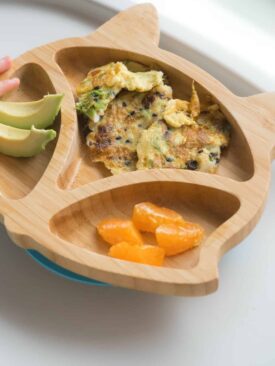
Avocado is a perfect first food due to its creamy texture and high content of healthy fats, fiber, folate, and vitamin E—all of which support brain development, digestion, and overall growth.
✔ How to Serve: Mash ripe avocado and serve it on a spoon or let baby self-feed with small chunks or strips.
11. Steamed Carrots, Sweet Potatoes, and Squash
Rich in Fiber and Beta-Carotene
Orange vegetables provide beta-carotene (a precursor to vitamin A), fiber, and essential minerals that support healthy vision, immune function, and digestion.
✔ How to Serve: Steam or roast until soft, then mash or cut into small, baby-friendly pieces for self-feeding.
12. Organic, Raw Butter or Ghee
A Great Fat Source with Fat-Soluble Vitamins
Butter and ghee from grass-fed sources contain fat-soluble vitamins A, D, E, and K2, which are crucial for brain function, bone health, and digestion. They also provide a healthy source of energy for growing babies.
✔ How to Serve: Stir a small amount of melted butter or ghee into mashed vegetables, meats, or egg yolks.
These whole, nourishing foods provide an excellent foundation for your baby’s health while introducing a variety of flavors and textures to encourage adventurous eating.
Final Thoughts: A Nourishing Start for Lifelong Health
Feeding your baby from a holistic, ancestral perspective means choosing nutrient-dense, whole foods that align with their natural development. By offering egg yolks, liver, meats, broths, bone marrow, and probiotic-rich foods, you’re supporting optimal digestion, brain function, and immune health—setting your little one up for a lifetime of wellness.
The most important thing? Follow your baby’s cues, introduce a variety of flavors and textures, and make mealtime a joyful, nourishing experience! It shouldn’t be stressful for you or your baby, so be sure that you are introducing solids with a calm and joyful approach.
If I could go back in time, I would start with these first foods for both of my babies. It’s amazing how much amazing information we have learned about ancestral diets from sources like the Weston A Price Foundation, and I wish I had known more of this when my boys were just starting solids.
Do you have all of your non-toxic baby feeding essentials? Check out our favorites on Amazon.





I love this post it is so helpful! Do you have tips for following this type of diet with snacks that can be prepped and taken out and about?