
PVC can be found in everything from baby toys, cups and plates, changing pads, and even teethers. Here is what you need to know.
Polyvinyl Chloride (PVC) is more prevalent than you may realize, especially if you don’t regularly read material labels. You might see it in everything from household flooring and water pipes to medical-grade tubing and waterproof mattress covers. But when you learn a bit more about PVC hazards, believe me, you’ll realize it’s not something you want your kiddos around. Fortunately, there are many alternatives to PVC. Read on to learn about the hazards of PVC and what you should use instead.
What is PVC?
PVC, also known as vinyl, is a very common plastic. It’s inexpensive to make, long-lasting, waterproof, and strong. It has many useful physical properties. Manufacturers also use additives like phthalates and bisphenols (such as Bisphenol A), to make it more flexible.
The Toxins in PVC
Like so many synthetic chemicals, PVC presents some major health and environmental issues because it’s filled with some ugly toxins. In fact, Made Safe labels PVC as the most toxic plastic out there.
PVC is dangerous to both the environment and human health at all stages. From manufacturing PVC in factories to using it in our homes, and during disposal processes, it’s toxic. In fact, we are exposed to all the chemicals contained in PVC at all stages of its life, and these chemicals can have an impact on our health.
Skip the Research… It's Already Been Done
12+ years of label-reading, testing, and returns — these products earned their place on my Amazon store.
Shop My Amazon PicksChlorine
During production, millions of tons of chlorine-containing gases are emitted into the environment. Most of the chlorine enters the air and water. And while the EPA does limit the amount that manufacturing plants can release, it builds up and continues to be a health and environmental hazard.
Dioxins
Many of the waste products created during PVC synthesis includes the release of dioxins. This can occur when PVC is produced, used, or burned. Unfortunately, dioxins can contaminate the environment and persist in the air, soil, and water.
In addition to being persistent, these chemicals bioaccumulate, meaning they build up in the tissues of living things (including humans!) These compounds are endocrine disruptors and can cause long-term impacts on the body. Research has linked dioxins to cancer, and the EPA has also suggested that, like many toxins, there is no safe level of dioxin exposure. And even more concerning, dioxin levels in both children and adults are, in some cases, high enough to cause significant health issues.
Additives
All PVC includes a host of additives, often to make the product more flexible or rigid. Additives include phthalates, BPA, BPS, and heavy metals such as lead and cadmium. All of these toxins are significant health hazards that can be released from PVC through wear-and-tear, and even sunlight and heat.
Phthalates and bisphenols are both endocrine disruptors. These compounds are known to cause cancer and reproductive effects. And heavy metals like lead and cadmium are potent neurotoxins that cause irreversible brain damage to children. Not something to mess around with!
Related: 17 Ways to Use Less Plastic
How Can PVC Affect Children?
Babies (even in the womb) are rapidly developing their nervous, metabolic, and reproductive systems. Small disruptions to these processes from chemical exposures can have lifelong impacts on their health.
So, PVC contains serious endocrine disruptors yet is still used for a number of baby products like waterproof crib mattress covers, diaper changing pads, and diaper bag liners. Yuck! The problem happens when, over time, vinyl releases phthalates and other toxic chemicals contained in the vinyl. Unfortunately, a large concentration of these dangerous chemicals is on the surface of most of these baby items. So, each time you lay your child down to sleep, for example, he could be exposed to carcinogens. Of course, babies also spend more time near the ground, which doesn’t help their toxin exposure. If you have flooring made from PVC, a baby could spend a lot of time breathing in VOCs from the floor. Additionally, babies and children have more contact with these chemicals than adults do simply because they mouth the world around them. It’s how they explore! Unsurprisingly, toys constructed of vinyl can pose an exposure risk.
Over time, exposure to these chemicals can increase risk for various health issues.
Reproductive Effects
Because many endocrine disruptors (from BPA and phthalates) mimic sex hormones, they can affect development during puberty. For example, children (especially girls) may be more likely to enter puberty early due to exposure to these compounds. As girls reach adulthood, they may have issues becoming pregnant or staying pregnant. Additionally, women exposed to high amounts of endocrine disruptors during childhood may also have difficulty producing enough breast milk for their babies.
Boys may suffer reproductive effects from phthalates as well. Exposure to phthalates may affect the development of testes or even a boy’s behavior. When boys grow older, phthalates can also negatively impact sperm motility, causing fertility issues.
Neurodevelopmental Effects
Endocrine disruptors affect the development of the brain and the nervous system, too. In fact, there is evidence that these chemicals may play a role in the uptick in cases of learning disorders, ADHD (particularly among boys), and/or autism.
One study has found that girls exposed to BPA in-utero, was associated with worse behavior at age three. Girls displayed behaviors such as increased anxiety, depression, and hyperactivity when compared to their less-exposed counterparts.
Asthma
1 in 13 school children has asthma, which can have profound effects on health and school performance. Studies exhibit a strong link between the use of PVC flooring and asthma and wheezing. And if there’s a smoker in the home, avoiding PVC flooring to protect your child from asthma becomes even more important.
Obesity and Diabetes
In addition, endocrine disruptors have a huge effect on metabolism (something we’re still learning about). In fact, a 2012 study found that girls with high exposures to monoethyl phthalate (MEP) tended to have a higher BMI than those with lower exposures.
Obesity is particularly concerning among children. According to the CDC, obesity in children is linked to several health risks, including diabetes, heart disease, and high blood pressure later in life.
Cancer
Finally, endocrine disruptors cause an increased risk of several cancers, including breast cancer, testicular cancer, and thyroid cancer. And phthalates, in particular, have been linked to early puberty.
Want to Save This Post?
How to Avoid PVC
The main problem is this: we’ve only been using vinyl for a few decades, so we are just beginning to see the health impacts of its high usage in households around the world. And because what we see so far is concerning, I always tell parents to opt out of PVC when they can.
Fortunately, as we learn more about the risks of PVC, more alternatives have become available. Here are the main products you need to make sure are PVC-free for your baby.
Crib Mattresses
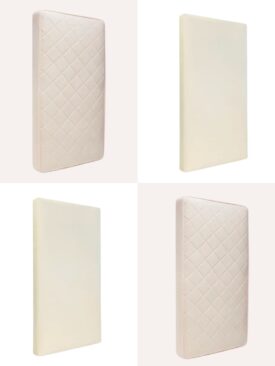
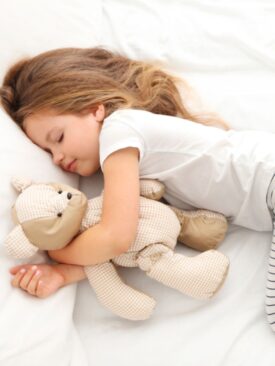
Babies sleep an average of 14 hours per day or more. This means that your baby will spend over 5,000 hours in their crib for the first year of life! For this reason, it’s essential that you choose a safe crib mattress that is free of PVC. Note that PVC lining might not just be on the outer shell. It could also be buried in a deeper layer of the mattress, still posing an exposure risk as it off-gasses for years.
It’s best to choose an organic crib mattress for your little one to ensure that it’s completely safe. Non-toxic crib mattresses will help you avoid PVC and other toxic chemicals like flame retardants found in polyurethane foam, too.
Crib Mattress Covers
Once you invest in a safe crib mattress, you’ll want to protect it from leaks and stains. But don’t use a vinyl waterproof cover to do so! This action will just negate the investment you made in the mattress. Instead, use one of these organic crib mattress covers for your little one. They’ll keep your crib mattress clean and dry while protecting your baby from toxins.
Diaper Changing Pad
You’re going to change hundreds of diapers over the first few years of your baby’s life, so they’ll spend a lot of time on their changing pad. For obvious reasons, diaper changing pads are typically waterproof. Just make sure that the lining isn’t made with vinyl. I’ve listed the safest organic changing pads that are all non-toxic and will supply years of use.
Teething Toys
Of course, vinyl has a nice, chewy texture for teething rings (particularly after it’s been treated with phthalates or BPA). But just because the material has the right “mechanical” properties doesn’t mean it’s a safe choice. Instead, stick to non-toxic teething toys made of silicone or wood. These do not contain any harmful toxins.
Other Toys
Plenty of toys are made of vinyl. Make sure that you look at the materials used in the toys before you purchase them and opt for non-toxic baby toys made with materials like silicone, wood, or a safer plastic like polyethylene.
Flooring
While this is a larger investment, it’s important to note that some vinyl flooring can present a health hazard to children. Fortunately, there are several safer flooring alternatives out there. Hardwood and tile will always be the safest options.
Related: Non-Toxic Baby Toys: A Guide to the Safest Toy Brands for Babies
Make PVC-Free Choices!
Hopefully, you feel more prepared to protect your baby from PVC! If you feel overwhelmed and don’t know where to start, start with the things your baby will be closest to: safe teething toys are probably the easiest (and one of the largest sources of exposure) to get. From there, an organic crib mattress (and cover) is probably the next most important investment.
FAQs
More questions on PVC? Read on!
Is there such thing as non-toxic PVC?
No, PVC is always toxic. If something uses “vinyl,” you can ask the manufacturer if it is PVC-free, however. Certain types of vinyl are non-chlorinated. For example, ethylene-vinyl acetate (EVA), polyethylene vinyl acetate (PEVA), polyvinyl acetate (PVA), and polyvinyl butyral (PVB) do not contain chlorine and are considered less toxic.
And don’t be fooled by “phthalate-free PVC” as it may still contain dioxin, heavy metals, and VOCs.
How do I know if something is made of PVC?
You will typically see PVC labeled on the bottom of an item. It will read “PVC” or it may have the #3 plastic code on it. Look for safer plastics, if you must buy plastic items. Plastic codes #2 (High-Density Polyethylene), #4 (Low-density polyethylene), and #5 (Polypropylene) are BPA and phthalate-free and considered food-safe.
Does the CPSC regulate PVC in toys?
Yes, the CPSC banned some phthalates from children’s products as part of the Consumer Product Safety Improvement Act of 2008 (CPSIA). In addition, they have formed the Chronic Hazard Advisory Panel to further assess phthalates and the dangers they pose. This is ongoing. You can read about some of the recommendations from this panel in their assessment.
What are the most common household items with PVC?
While some companies are phasing PVC items out (thank you Target, Wal-Mart, Adidas, Aveda, Gerber, Ikea, Lego Systems, Nike, and others), you can still find PVC lurking in household items.
Items that may include PVC include imitation leather, shower curtains and shower liners, cosmetics, flooring, house siding, water pipes, window blinds, raincoats, garden hoses, inflatable toys, baby dolls, figurines, and bath boys. For safer product recommendations, check out The Gentle List of non-toxic products.
Any more questions on PVC? Be sure to let us know in the comments!
Keep Reading:



hi! thanks for the informative post. do you have any experience on car window tints and PVC in them? it seems they do not share any of this information and i just realized it’s possible i have been transporting my little one in a bubble of PVC!